
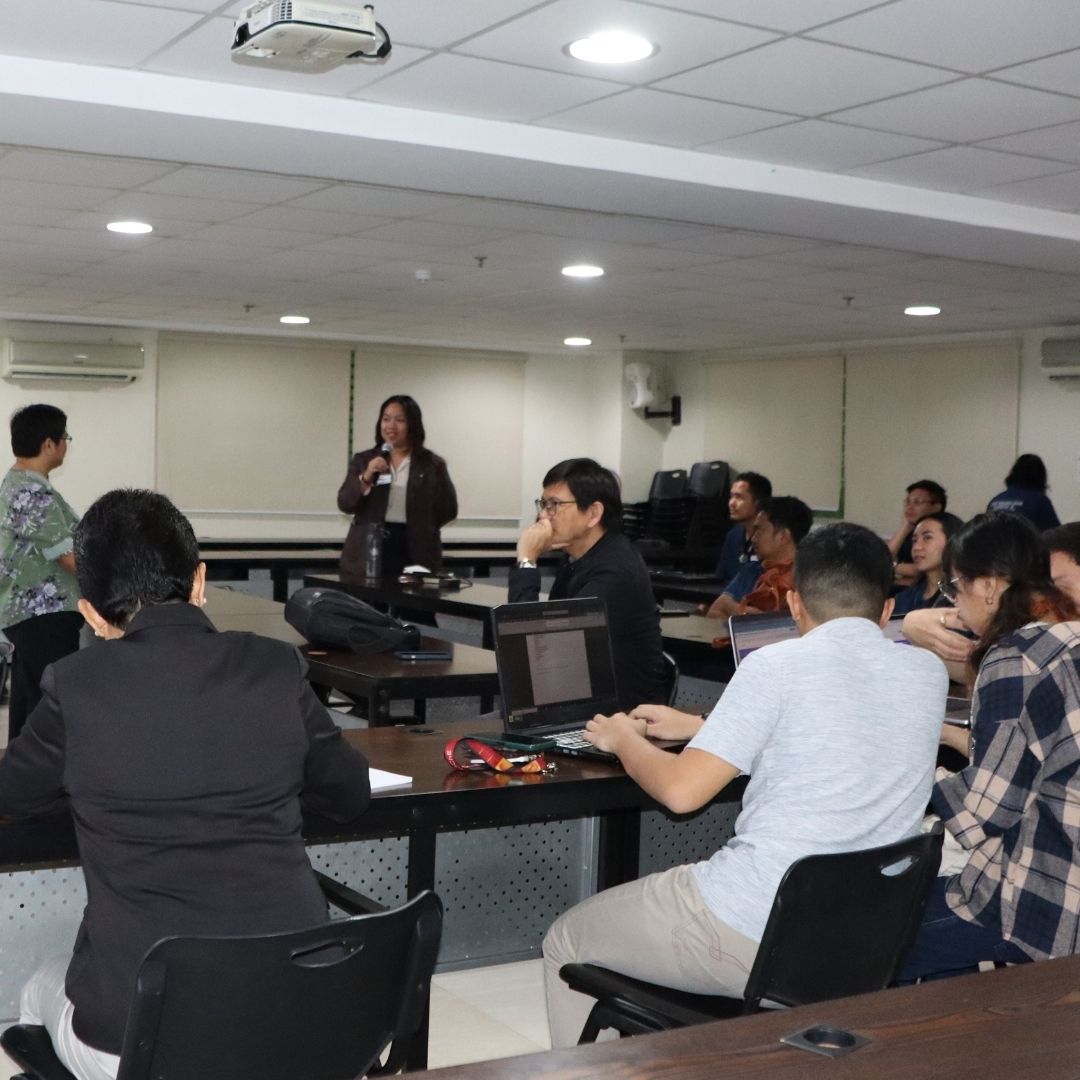
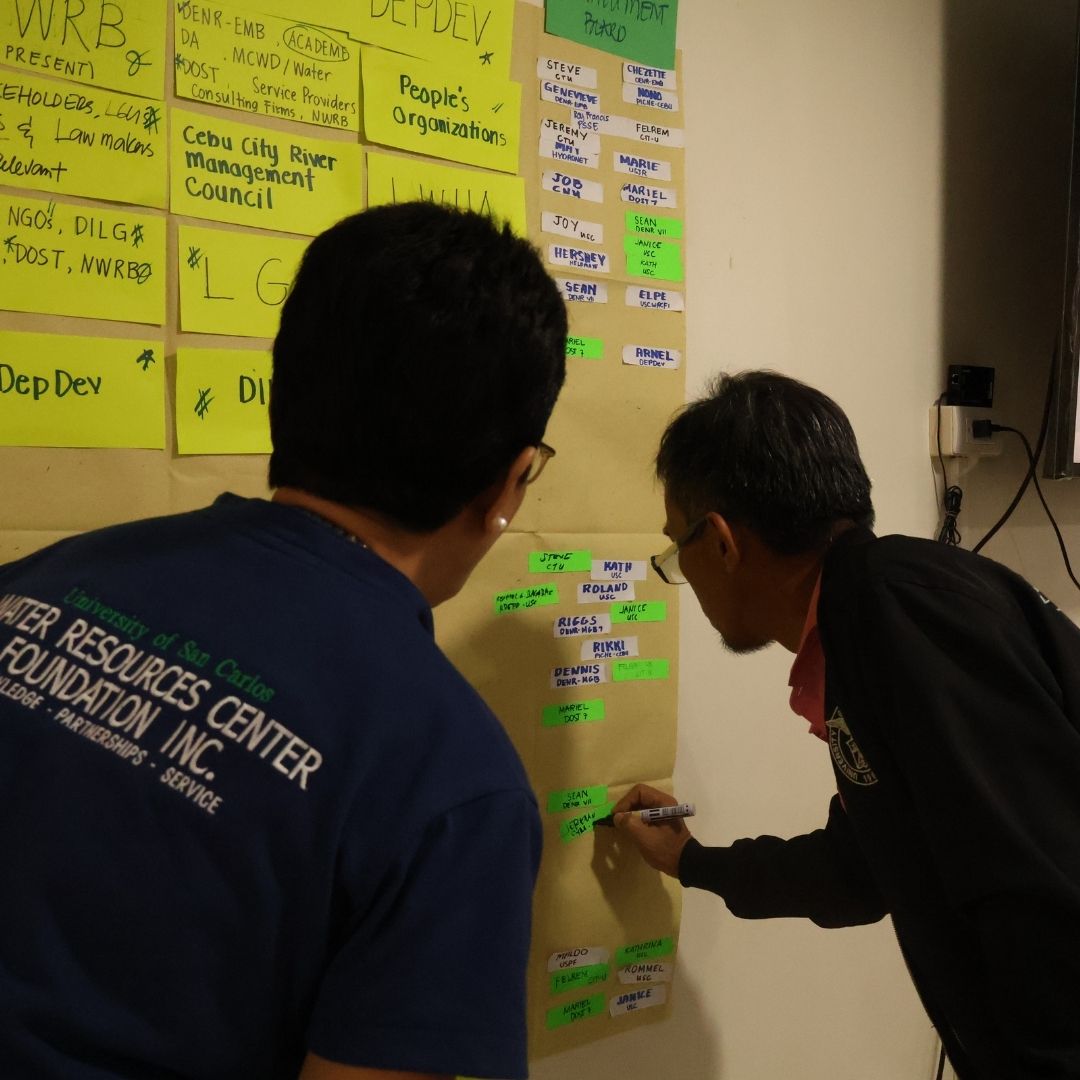
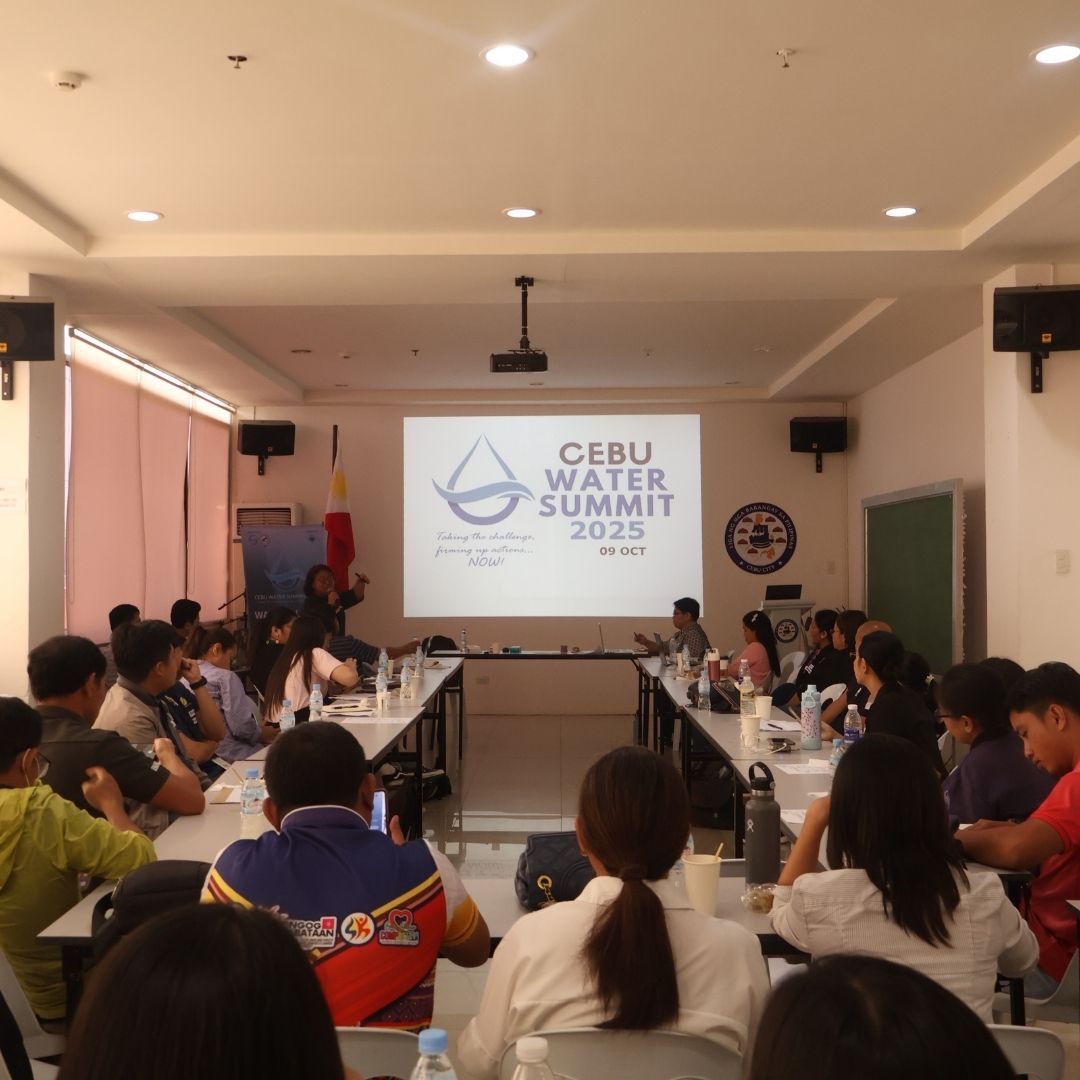
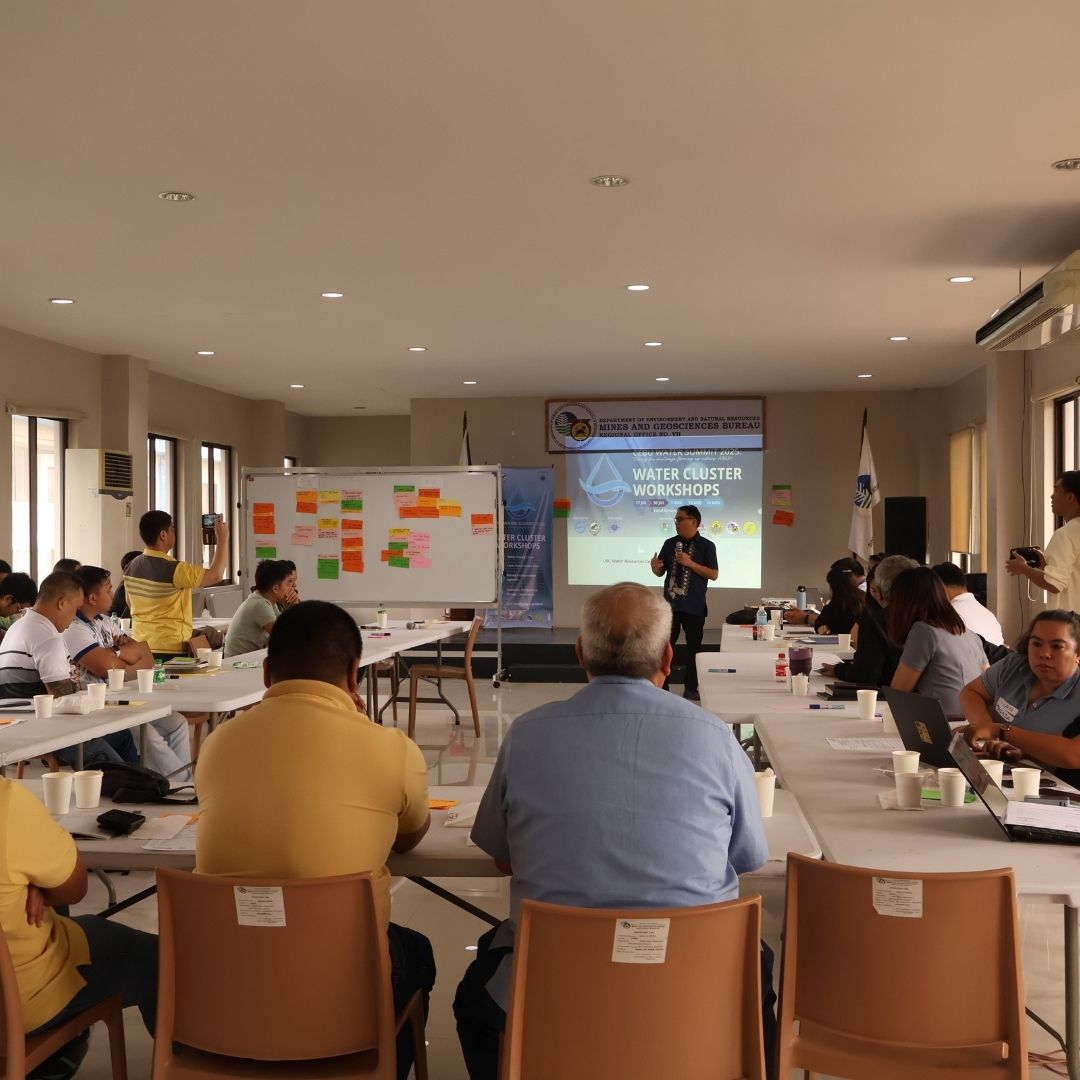
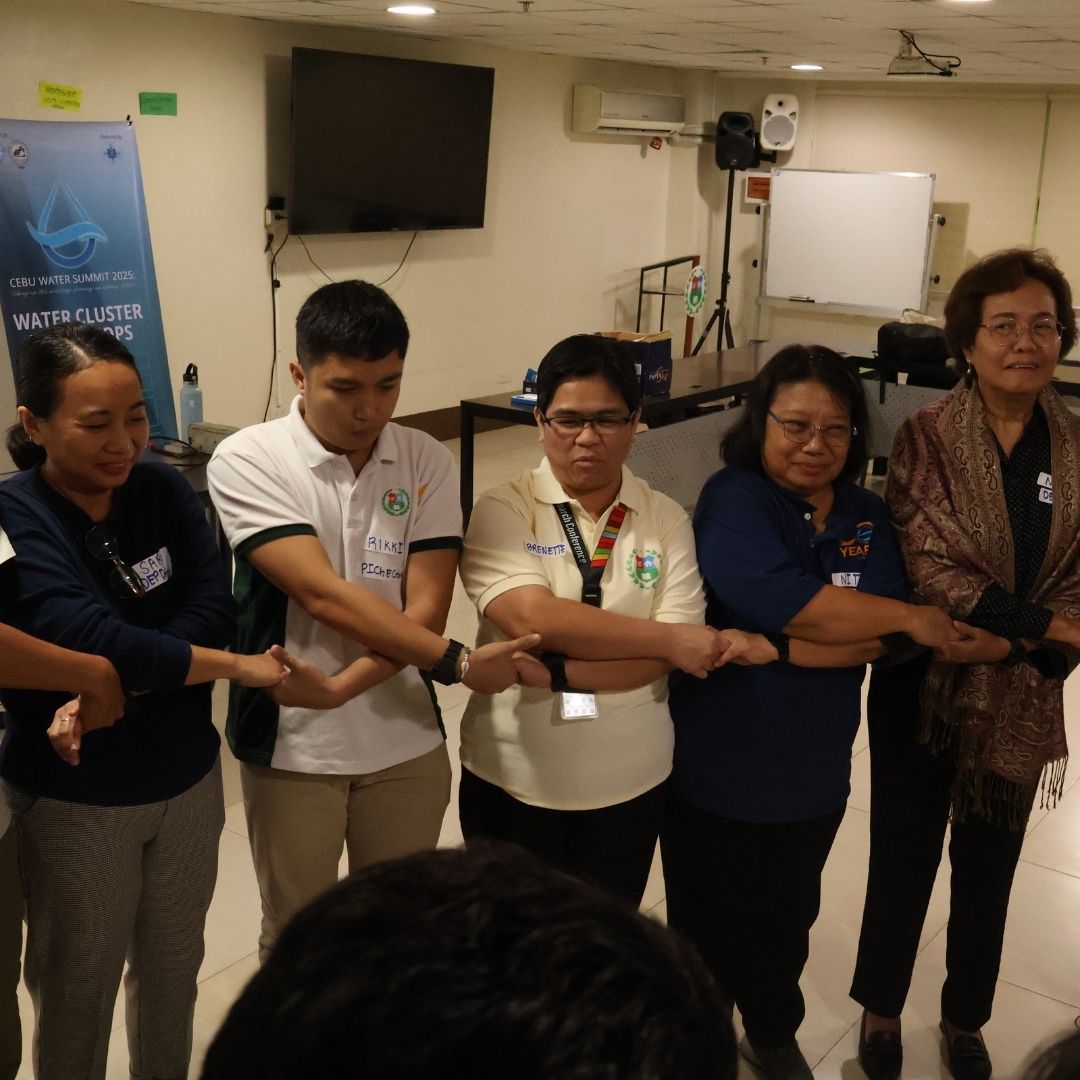
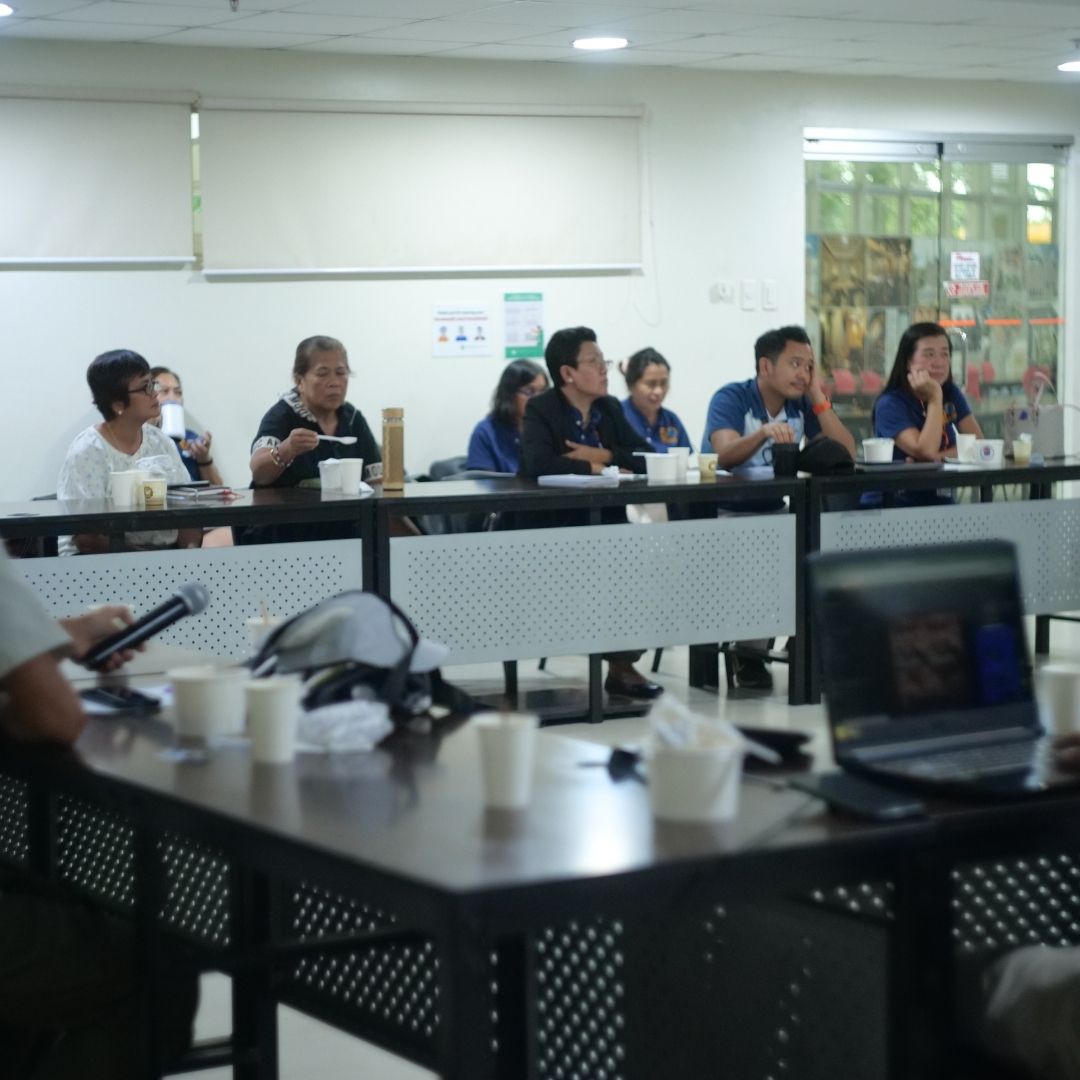
The Water Cluster Workshops were a series of conferences to coordinate with multisectoral stakeholders in Cebu for the implementation of water-related projects within Metro Cebu and in preparation for the 2025 Cebu Water Summit. This initiative was organized by the USC Water Resources Center to garner a clear understanding of the challenges faced by each key stakeholder in the water resources value chain and come up with the most suitable and feasible solutions to make progress on their conditions.
The first workshop began with the Water Suppliers Cluster, which occurred on July 17, 2025, at the Learning Resource Center, University of San Carlos Talamban Campus. Its attendees were the representatives from the main water utility, Metropolitan Cebu Water District (MCWD), and its bulk water suppliers Abejo Waters, Aboitiz Waters, Cebu Summa Water Lapu-lapu, Helpmate, JE Hydro, Macatan Rock Industries, Metro Cebu Water District, and Pilipinas Water. The agendas for this workshop were the following: immediate implementation of structural solutions to augment the current supply deficit, reformation in the Metropolitan Cebu Water District, and the assignment of a multisectoral committee to review the existing integrated water resource management (IWRM) framework.
The meeting covered multiple interventions of water treatment and infrastructure. Among these consultations were about surface water dams, desalination plants, rehabilitation of the existing Metropolitan Cebu Septage Treatment Plant, and the addition of septage treatment plants. Moreover, streamlining water utility handling, establishing public-private partnerships, and technical and management staffing were also tackled. Lastly, an IWRM system platform and a multisectoral committee for the crafting of the IWRM policy were addressed as well. Each organization provided inputs to let all participating organizations be aware of their current status. shared feedback for improvement in their situations, and essential operations and plans were pinpointed.
The second workshop was with the Local Government Units (LGUs) Cluster, held on July 30, 2025, at the ABC Building, Cebu City. In attendance were executives from the cities of Danao, Mandaue, Lapulapu, Cebu, Talisay, and the municipalities of Compostela, Lilioan, Consolacion, and Cordova. The units conferred about existing and planned projects in Cebu and debated on the level of priority of water initiatives given by the current local administration, providing descriptions and explanations of their current operations and plans. The USC WRC compared and contrasted unique and similar projects with other LGUs to give them support or collaborate. In line with priority levels of each LGU, the WRC has listed down the anticipated time periods of when the respective LGU representatives can provide updates on the aforementioned projects. Additionally, measures to ensure protection from political term changes of the initiatives were shared and discussed.
The third workshop was with the National Government Agencies, which took place on August 7, 2025, in the training room of the Mines and Geosciences Bureau (MGB) Region 7 office, Mandaue City. Offices represented during the session were the Department of Agriculture, Department of Environment and Natural Resources, Department of Human Settlement and Urban Development, Department of Economy, Planning and Development, Department of the Interior and Local Government, Department of Food Authority, Department of Health, Department of Public Works and Highways, Environmental Management Bureau, MGB, National Food Authority, National Water Resources Board and Philippine Atmospheric, Geophysical and Astronomical Services Administration Cebu. The planned focus of the discussion for this cluster was to share the status of implementation of the interventions they committed in 2023 to contribute towards achieving three (3) of the 10-point water development agenda identified during the CWS 2023: Agenda 2 Strict and proactive implementation of existing environmental laws, Agenda 3 Consolidate and require periodic reporting of all initiatives by accountable National Government Agencies, Local Government Units, and Civil Societies, and Agenda 9 A multisectoral committee reviewing the existing integrated water resource management (IWRM) framework.
The meeting started with an overview of the rationale, purpose, and important information from the 2023 Cebu Water Summit, which was imparted by WRC Executive Director Engr. Maria Nenita Jumao-as, to give the agencies context and a comprehensive understanding of the pertinent action plans and solutions proposed during the CWS 2023 and two previous workshops. Each agency briefly explained its functions and stated what contributions it can make to the overall water sector/value chain. In addition to these, the formation of a Water Resources Management (WRM) Board was deliberated amongst the participants, taking into account the realization of the stakeholder committee, stakeholder board, and the Water Resources Management (WRM) Knowledge Center. To strengthen partnerships with other institutions, data sharing, capacity building, joint activities, and enhanced coordination were recommended to achieve inter-agency collaboration.
The fourth workshop was with the Academe, Professional Groups, Consultants, and Technology Enablers Cluster, conducted on August 13, 2025, at the Learning Resource Center – Virtual Training Room (LRC-VTR), University of San Carlos Talamban Campus. Cebu Institute of Technology University, Cebu Normal University, Cebu Technological University Argao and Barili campuses, University of San Carlos, University of San Jose Recoletos, University of Southern Philippines Foundation, Philippine Institute of Chemical Engineers – Cebu Chapter, Philippine Institute of Civil Engineers Cebu chapter, Philippine Institute of Environmental Planners Cebu chapter, Philippine Society of Sanitary Engineers Cebu chapter, Hydronet Consultants, DOHE Philippines, Helpmate and Central Visayas regional offices of DENR, DEPDev, Department of Science and Technology, EMB, MGB and National Telecommunications Commission participated in the meeting.
This session had the following priority agendas: deterioration of and missing infrastructure on Water Supply and Wastewater treatment, strict and proactive implementation of existing environmental laws, consolidation of a reporting system for NGAs, LGUs, CSOs, and legislation for the water value chain. Alongside these, a campaign for water conservation practices in all sectors, technologies and data analytics for all initiatives, MCWD reforms, and community extension through the academe were discussed. Moreover, the assembly exchanged ideas on the existing integrated water resource management framework, continuing the Cebu Water Summits and the CWS synthesis document. An extensive discourse and feedback on integrated water management were manifested among the members of the assembly to properly target the water-related issues experienced and recognized in Cebu. These were dissected into the top general issues, specific issues, immediate actions/solutions, and the responsible units, institutions, or sectors to ensure a holistic and definitive action plan.
The fifth and last workshop was with Civil Society and Non-Governmental Organizations, which transpired on August 14, 2025, at the Learning Resource Center Virtual Training Room of the University of San Carlos Talamban Campus. Organizations represented in the session were the Cebu Leads Foundation, DEPDev, International Pharmaceuticals Foundation (IPI), Pagtambayayong Foundation, Philippine Islands Conservation of Karst Foundation (PICK), and Ramon Aboitiz Foundation Incorporated (RAFI). Each participating organization’s narratives and experiences shared their experiences from the ground about water.
The results of the discussion yielded the following water-related problems a) consumers’ preference for bottled water over MCWD-supplied water as they perceive it to be clean, b) cost of water for poor households is highest due inaccessibility to reliable supply, c) high investment cost for households to adopt rain water harvesting technologies, d) lack of water champions among executives and legislators of local government units, e) high priority given by decision makers at the local to use water for economic development over meeting human survival needs, f) funding, human resources and competency deficiencies of LGUs to compile data on water sources, quantity and quality for water development planning, g) lack of reliable data on water quantity and quality, h) limited number of water experts, i) turfing issues and overlap in the junior and senior high school programs between TESDA and DepED and j) loss of forest vegetative cover. The introduction facilitated by Ms. Brunette Abrenica and important messages from Mrs. Evelyn Nacario Castro, ARD, DEPDev VII, set the tone for the severity of the issues and the sincerity of the USC WRCFI and its cluster workshops’ objectives in educating, actively involving, holding organizations accountable, and implementing the agreed-upon plans and projects, which are then consistently reviewed, analyzed, and improved.
The USCWRFI, PIChE Cebu, and DEPDev 7 jointly conducted the workshops and tapped Ms. Brenette Abrenica to facilitate all five sessions. Sponsors of the events were the City of Cebu, USC Civil Engineering Department, Aboitiz InfraCapital, and Helpmate. The large-scale event enabled all sectors, both public and private, government and non-government organizations, to be on the same page and share similar goals. With our combined knowledge, expertise, skills, and contributions in project planning and implementation, we work to make water resources and systems in Cebu sustainable and accessible to its people.
0 Comments